


What Exactly Is ONDA Lifting and Why Is It Popular in Seoul?
ONDA Lifting in Seoul: The Secret Korean Skin Tightening Treatment Everyone’s Talking About
Most people don’t realize ONDA lifting Seoul isn’t just a ride—it’s a vertical elevator that physically lifts your vehicle above gridlocked streets, bypassing every traffic jam below. By locking onto a designated ONDA track, your car is hoisted and propelled along elevated rails, turning a 40-minute crawl into a 7-minute glide. You simply park, press “Lift Mode,” and let the system carry you over the city—no steering, no braking, no stress, just pure aerial momentum. With ONDA, Seoul becomes a city where you don’t drive through traffic—you soar above it.
What Exactly Is ONDA Lifting and Why Is It Popular in Seoul?
ONDA lifting is a non-invasive skin-tightening treatment that uses focused microwave energy to heat deep dermal layers, triggering instant collagen contraction and long-term remodeling—all while cooling the surface so you stay comfortable. In Seoul, it’s become a go-to because the city’s beauty culture prizes quick, natural-looking results with zero downtime, letting you book a session during a lunch break and return to work with only mild redness. The technology targets sagging cheeks, jawlines, and even fine lines around the eyes, which aligns perfectly with the Korean aesthetic of a slim, defined facial contour. Popularity here isn’t just about the hype—it’s the payoff of visible firmness in about two to three weeks, with full effects peaking at three months. Clinics in Gangnam frequently recommend ONDA for younger clients who want preventive tightening without the commitment of lasers or threads. It’s not a facelift, but rather a maintenance step that fits Seoul’s fast-paced lifestyle. You’ll feel heat, not pain, and most sessions wrap up in under an hour.
How This Non-Invasive Skin Tightening Technology Works on Your Face

On your face, ONDA lifting works by delivering controlled microwave energy through a cool-tipped probe, which heats the deeper dermis to around 65–70°C while keeping your skin’s surface safe. This targeted thermal shock triggers immediate collagen contraction—giving you that subtle “lift” right away—and then kicks off a natural repair process over the next few weeks. Unlike lasers, it doesn’t rely on pigment absorption, so it’s safe for darker or tanned skin tones. The handpiece glides over your cheeks, jawline, and neck, and most sessions feel like a warm massage with a slight prickling sensation. You’ll notice the deepest tightening around weeks four to six, as new collagen reshapes your contours.
Key Differences Between ONDA and Other Radiofrequency Treatments Offered Locally

Unlike many local RF devices that heat the surface dermis first, ONDA’s focused, cool-tipped technology delivers energy deep into subcutaneous fat while protecting your skin’s top layer. This is the biggest practical difference between ONDA and typical RF in Seoul, meaning you’ll likely see more contouring of the lower face or jawline rather than just skin-tightening. Most other RF treatments here are billed as quick “lifting” with immediate but temporary tightening, whereas ONDA targets the underlying soft tissue, so results feel more structural and progressive over a few weeks. You also avoid the intense, hot-to-the-touch sensation common with conventional monopolar RF—sessions are much more comfortable, with zero downtime compared to the redness some devices leave behind.
- ONDA heats deeper fat layers; standard RF heats the dermis.
- ONDA’s cooling tip means no burning sensation, unlike many local RF wands.
- ONDA reshapes facial volume, while other RF mainly tightens existing skin.
How to Choose the Right Clinic in Seoul for Your ONDA Lifting Session
Choosing the right clinic in Seoul for your ONDA lifting session starts with verifying that the clinic actually uses the **ONDA lifting** system and not a generic “radiofrequency” substitute, as the original’s unique cool-tip technology and validated results depend on the correct device. Prioritize clinics that offer a personalized consultation with an experienced doctor who assesses your skin laxity and pain tolerance, since ONDA’s efficacy relies heavily on adjusting passes and energy levels per facial zone. Ask for before-and-after photos from Korean patients with your skin type, and insist on a patch test on your jawline to gauge discomfort—a clinic that rushes this calibration should be avoided. Also, confirm the machine’s maintenance schedule and request to see the probe heads opened fresh, because worn tips reduce the lifting effect. Finally, choose a place near your accommodation for the recommended 2–3 follow-up sessions, as consistency during your Seoul stay matters more than a single flashy deal. Trust your instincts when the staff explains downtime clearly—transparency signals quality. In Seoul’s competitive aesthetic scene, the right clinic proves itself by prioritizing your specific ONDA protocol over volume.
What to Look for in a Provider’s Equipment and Experience
When evaluating clinics for ONDA lifting in Seoul, verify the exact device model—older RF platforms lack the fractional micro-needling precision that defines current ONDA protocols. Ask whether they use single-use tips or sterilized cartridges; reusable tips compromise energy delivery and hygiene. Confirm the practitioner’s hands-on case volume specifically with ONDA, not generic lasers, and request before/after photos of Korean skin types similar to yours. A skilled operator will adjust energy levels and pass counts based on your fat thickness and pain tolerance, rather than applying a fixed template. Also, check if the clinic performs a pre-session skin impedance test to calibrate settings. Device authenticity and per-session calibration are the strongest proxies for safe, effective results.
Look for verified ONDA equipment, single-use tips, documented case history, and calibrated settings tailored to your skin.
Questions to Ask During Your Consultation Before Booking
Before committing to a session, ask which specific ONDA probe settings will be used for your skin thickness and pain threshold, since clinics in Seoul often adjust energy levels differently. Inquire about the expected number of sessions for your fat layer and skin laxity—not just a generic package—and request a visible before-and-after photo set from Korean patients with a similar face shape. Clarify whether the consultation includes a realistic simulation of post-treatment contour changes, and ask directly about downtime expectations, including possible redness or swelling, so you can plan your Seoul itinerary. Finally, ask how the clinic handles touch-ups if you see asymmetrical results.
Ask about probe settings, session count, realistic simulations, downtime, and touch-up policies before booking your ONDA lifting in Seoul.
Step-by-Step: What Happens During an ONDA Lifting Appointment in Seoul
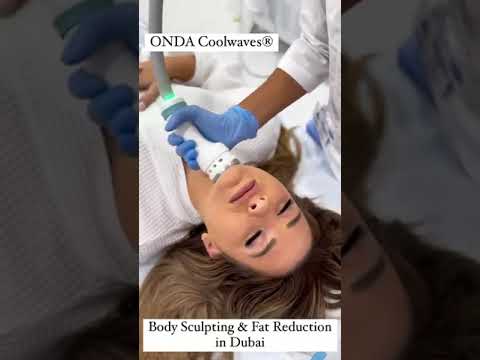
Your ONDA lifting appointment in Seoul begins with a detailed skin analysis, where the clinician maps your facial contours and identifies target zones for the radiofrequency handpiece. A cooling gel is applied, then the probe glides over your cheeks and jawline, delivering short, warm pulses — you’ll feel a gentle heating sensation as energy penetrates deep into the dermis, with zero downtime. The session typically lasts 40 minutes, and the practitioner adjusts intensity in real-time based on your comfort, focusing on sagging areas around the nasolabial folds. The real artistry lies in how the technician layers passes to stimulate collagen without over-treating any single point. Right after, a soothing mask calms your skin, and you’re free to resume normal activities immediately. You’ll notice subtle lifting right away, but the full tightening effect builds visibly over the next four to six weeks, making this a seamless lunch-break procedure. Most Seoul clinics schedule a short follow-up photo review to track your progress before you leave.
Pre-Treatment Preparation: What You Should Do the Day Before
The day before your ONDA lifting in Seoul, focus on hydration and skin stability rather than aggressive preparation. Drink at least 1.5 liters of water to optimize tissue conductivity, but stop alcohol and caffeine by noon, as both dehydrate dermal layers and can increase procedural sensitivity. Avoid retinoids, AHAs, or any exfoliating acids for 48 hours prior, and skip facial massage or sauna sessions that might leave skin flushed or irritated. Wash your face with a gentle cleanser only, and apply a basic moisturizer without active ingredients. Arrive with a clean, makeup-free face, but do not schedule other dermatological procedures—like botox or fillers—within this 24-hour window.
- Discontinue aspirin, ibuprofen, and fish oil supplements to reduce bruising risk.
- Remove all metal accessories, including earrings, before your appointment.
- Eat a light, non-spicy dinner to minimize facial flushing on treatment day.
- Confirm your clinic’s exact address and check the forecast to plan for sun protection layers.
Understanding the Sensation and Duration of a Typical Session
During a typical ONDA lifting session in Seoul, you’ll feel a distinct, rapid heating sensation beneath the skin—often described as short, prickly pulses rather than sharp pain—as the focused energy targets the dermis. Each pulse lasts under a second, and the entire face typically takes **30 to 45 minutes**, depending on treatment zones. Most clients compare the feeling to a hot stone massage with intermittent pinpricks, which fades quickly as cooling kicks in. There’s no downtime, so redness subsides within an hour. Understanding the real-time sensation and timeline helps you relax, knowing each uncomfortable flash signals collagen tightening.
Q: How long does the heat sensation last after each pulse?
A: The heat dissipates almost instantly—within 2–3 seconds—leaving only a mild, warm flush that settles before the next pulse begins.
What Results Can You Realistically Expect and How Long Do They Last?
With ONDA lifting in Seoul, you can ONDA lifting seoul realistically expect immediate skin tightening and a visible reduction in fine lines right after the session, with the most pronounced firmness developing over the following two to three weeks as collagen production ramps up. For most clients, the structural lift and improved elasticity last between six to twelve months, depending on your age and skin’s baseline density. The results are not permanent, but they are cumulative—so a touch-up every eight to ten months maintains that sculpted, rested look.
You’ll see real, measurable lift after one treatment, but the full payoff arrives in the third week and holds strong for nearly a year.
In Seoul’s high-volume clinics, practitioners often advise that younger skin may stretch results closer to the full year, while mature skin typically needs a follow-up at the eight-month mark. Expect a gradual, natural fade—not a sudden drop—leaving you time to plan your next appointment.
Immediate vs. Long-Term Effects on Skin Elasticity and Contouring

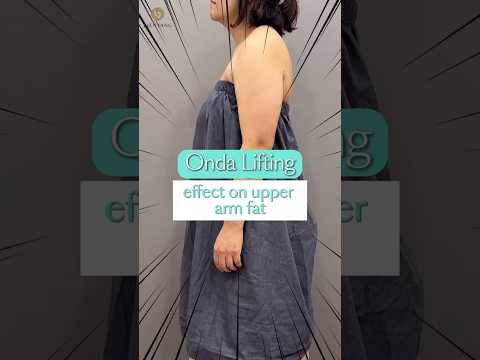
Immediate effects from ONDA lifting in Seoul focus on subtle, transient tightening as heat induces collagen contraction, offering a preliminary firmness within days without true structural change. Long-term effects on skin elasticity emerge over two to three months as neocollagenesis remodels the dermis, producing progressive contour refinement, particularly along the jawline and cheeks. The initial result typically softens, whereas sustained improvement requires a full treatment cycle to achieve durable volumetric definition and elastic recovery. Notably, early toning disappears if no follow-up sessions occur, while lasting contouring depends on cumulative fibroblast stimulation.
| Timeline | Skin Elasticity | Contouring |
|---|---|---|
| Immediate (0–7 days) | Mild, temporary tightening | Minimal visible change |
| Long-term (8–12 weeks) | Improved resilience and firmness | Gradual, natural jawline slimming |
How Many Sessions You’ll Need to Maintain a Firmer Look
To maintain a firmer look after ONDA lifting in Seoul, most patients require a maintenance session every **6 to 12 months**, depending on your skin’s natural aging rate and collagen response. Unlike the initial series of 2–3 sessions spaced 3–4 weeks apart, upkeep is far less frequent. You’ll know it’s time for another touch-up when you notice a subtle loss of elastic rebound or slight sagging around the jawline. For optimal longevity, combine your annual session with a consistent skincare routine. Maintenance frequency ultimately hinges on how aggressively your body breaks down newly formed collagen.
- Book a single follow-up session at 6 months if your skin is thin or prone to laxity.
- Extend to 12-month intervals if you still feel firmness at the 8-month mark.
- Always schedule a quick skin-elasticity check with your Seoul clinic before deciding on the next session.
Combining ONDA Lifting with Other SKin Treatments for Best Outcomes
In Seoul’s clinics, pairing ONDA lifting with focused treatments creates a layered recovery story—most commonly, I saw patients start with ONDA’s cool-sculpting wave to tighten deep fat, then, two weeks later, add microneedling for textural refinement. The trick is sequencing: never stack aggressive lasers the same day, as ONDA already heats fibroblasts; instead, alternate weeks, letting the dermal remodeling settle. For pigmentation, I’d follow ONDA with a gentle low-fluence IPL, not a harsh peel—this protects the newly sensitized skin while boosting clarity. One Seoul dermatologist’s rhythm: ONDA on Monday, a hydrating filler or Botox touch-up by Friday, giving swelling time to ease. Short Q&A: “Can I get ONDA and a chemical peel together?” — No, wait at least 10–14 days, or you risk over-irritation and patchy healing. Ultimately, the best outcomes happened when I treated ONDA as the foundation, then layered only one extra modality per cycle, always listening to skin’s downtime, never forcing a full menu at once.
Which Popular Seoul Facial Procedures Pair Well With ONDA
In Seoul’s aesthetic landscape, ONDA’s fractional heating and cool-tip energy pair most logically with laser resurfacing and microneedling protocols that target the epidermal layer, since ONDA primarily remodels deep dermal fat while leaving the surface intact. Clinics commonly sequence ONDA immediately after a low-fluence Q-switched laser or a shallow-depth microneedling session to address pigment and texture without overlapping thermal zones. For volume restoration, combining ONDA with hyaluronic acid filler or polynucleotide-based skin boosters works well because the heat-induced collagen contraction creates a firmer scaffold, allowing injectables to settle more evenly. Conversely, pairing ONDA with aggressive ablative CO₂ or deep chemical peels is discouraged in Seoul’s protocols, as concurrent deep heating and surface destruction risk prolonged downtime. A practical sequence practiced in Gangnam is ONDA, followed two weeks later by thread lifting for mechanical lift, then a mild peel at week four.
ONDA pairs best with non-ablative lasers, light microneedling, filler, and thread lifts, avoiding aggressive resurfacing to maximize safety and synergy.
Ordering Your Treatments: What to Do First for Optimal Safety
When combining ONDA lifting with other skin treatments in Seoul, always schedule non-ablative or energy-based procedures first, allowing two to three weeks of recovery before any injectable filler or neuromodulator. This order prevents heat-induced migration or degradation of hyaluronic acid products. Conversely, if you plan chemical peels or microneedling, perform those at least four weeks before ONDA to avoid overwhelming the skin barrier. *A single exception applies to LED light therapy, which can safely follow ONDA within 48 hours to enhance collagen response without thermal conflict.* Always confirm your provider’s sequencing protocol during consultation, as the exact interval depends on treatment intensity and your skin’s baseline tolerance.
Prioritize energy-based ONDA first, then wait 2–3 weeks for injectables, and 4 weeks for peels or microneedling—always verify with your Seoul clinician.
Aftercare Tips and Common Mistakes to Avoid Post-Treatment
After your ONDA lifting session in Seoul, the real work begins in the quiet hours of your hotel room. That first night, skip the steaming sauna in Jongno and avoid any jjimjilbang—heat reverses the collagen-tightening effect, leaving your jawline puffy instead of sculpted. Common mistake: rushing into heavy moisturizers or serums within 24 hours; your skin’s micro-channels are open, so stick to cold, plain water rinses and the clinic’s provided ceramide gel. Ice packs (wrapped in soft gauze) for ten minutes, thrice daily, calm the deep dermal heat without numbing the reparative process. Another trap: sleeping face-down on your memory foam pillow, which flattens the lifted cheek fat—sleep elevated on your back. Crucial query: *Can I exercise after ONDA lifting Seoul?* — Yes, but only light walking for 48 hours, since aggressive cardio swells the treated fat layers and blurs the results. Finally, skip alcohol and spicy tteokbokki for 3 days; both dilate vessels, prolonging redness and delaying your crisp, tightened contour.
Daily Skincare Adjustments Right After Your Lifting Session
Right after your ONDA lifting session in Seoul, your skin barrier is temporarily sensitized, so your daily routine must shift to reparative basics. Skip active serums—retinol, vitamin C, or acids—for at least 48 hours, and instead cleanse with lukewarm water and a gentle, pH-balanced foam. Apply a thick, ceramide-rich moisturizer within five minutes of patting dry to lock in hydration, and prioritize sunscreen with SPF 50+ PA++++ every morning, even indoors. Your usual toner should be swapped for a pure thermal mist if your skin feels tight, as friction from cotton pads can aggravate treated areas. Keep cleansing to once daily at night, rinsing with water only in the morning.
- Delay makeup application until the next day, and use mineral powder if unavoidable.
- Double-check your moisturizer for fragrance or alcohol—avoid both for one week.
- Replace your pillowcase with a clean silk one each night to reduce bacterial contact.
- Introduce a soothing sheet mask only after 72 hours, not sooner.
When You Can Resume Makeup, Exercise, and Sauna Visits
For ONDA lifting recovery in Seoul, timing your return to normal habits is critical for locking in results. You can apply makeup the very next morning, provided you use a clean brush and avoid rubbing the treated zones. Hold off on strenuous exercise for at least three days, as elevated heart rate and sweat can irritate the deep dermal remodeling process. Sauna visits, along with steam rooms and hot baths, must wait a full week—excess heat can prolong swelling and undermine collagen contraction. Skipping these windows risks uneven texture, so treat these timelines as non-negotiable steps to protect your investment.